

Composite Fillings
Restoring Teeth with Natural-Looking Fillings

Composite fillings can restore decayed or weakened teeth while maintaining healthy tooth structure and appearance.

Composite Fillings | Dentist
Tired of Silver Fillings? We Offer Tooth-Coloured Fillings!
Contact Us

Composite Fillings

Composite fillings are tooth-coloured restorations used to repair teeth affected by decay, cracks, wear or minor damage. They are made from a durable resin material designed to blend with the natural shade of your teeth. Composite fillings are commonly used on both front and back teeth and can help restore the shape and function of a tooth.

Your dentist in McMahons Point will assess your oral health and discuss whether composite fillings are a suitable treatment option for your individual needs.

Why Composite Fillings Are Used

Composite fillings may be recommended to:

  • Treat dental decay
  • Repair chipped or broken teeth
  • Replace worn or damaged fillings
  • Restore the appearance of teeth
  • Improve the function of a tooth

As every patient is different, treatment recommendations will vary depending on the condition of the tooth, your oral health and your treatment goals.


Benefits of Composite Fillings

Composite fillings in McMahons Point can offer many benefits.

Restores Tooth Structure

Composite fillings repair decay or damage, maintaining the tooth’s strength and integrity.

Protects Against Tooth Decay

Sealing cavities with composite fillings helps prevent bacteria from causing additional damage.

Supports Natural Appearance

Tooth-coloured materials blend seamlessly with natural teeth, which can help preserve aesthetics.

Frequently Asked Questions

Composite fillings are designed to closely match the natural colour of your teeth, however they may gradually stain or discolour over time. This can occur due to normal wear as well as exposure to strongly coloured foods and drinks such as coffee, tea, red wine and soft drinks. Smoking and tobacco use may also contribute to staining of both natural teeth and composite materials.

The likelihood and extent of staining can vary depending on the location and size of the filling, dietary habits and oral hygiene practices. Fillings placed on front teeth or more visible areas may show colour changes more noticeably over time.

Regular brushing, cleaning between teeth and routine professional dental cleans may help reduce surface staining and maintain the appearance of composite fillings. In some cases, fillings can be polished to improve their appearance if minor staining occurs.

Unlike natural teeth, composite fillings do not respond to whitening treatments in the same way. If whitening is being considered, your dentist may discuss whether existing fillings could require replacement to better match the surrounding teeth after treatment.

Composite Fillings in McMahons Point, NSW

Your dentist will assess the condition of your fillings during routine check-ups and discuss any concerns regarding wear, staining or replacement if required.

The Treatment Process

Composite filling treatment is usually completed in a single appointment. The area around the tooth may be numbed with local anaesthetic to help keep you comfortable during treatment.

The dentist will remove any decay or damaged tooth structure before preparing the tooth for the filling material. The composite resin is then applied in layers and hardened using a special dental light. Once the filling is complete, the tooth is shaped and polished to help achieve a natural appearance and comfortable bite.

Your dentist will provide advice on caring for your filling after treatment. 

Pros of Composite Fillings in McMahons Point

Composite fillings are widely used in modern dentistry because they offer several potential benefits, including:

  • Tooth-coloured appearance
  • Support for remaining tooth structure
  • Suitable for small to moderate restorations
  • Can often be completed in one visit
  • Bonds directly to the tooth surface

Treatment outcomes vary between individuals and no dental procedure can guarantee a specific result.

Caring for Your Filling

Good oral hygiene and regular dental check-ups are important for maintaining the health of your teeth and fillings. To help care for your composite filling, it is recommended to:

  • Brush twice daily with fluoride toothpaste.
  • Clean between teeth regularly.
  • Attend routine dental examinations.
  • Limit sugary foods and drinks.
  • Avoid biting hard objects such as ice or pens.

Composite fillings can wear over time and may eventually require repair or replacement. Your dentist will monitor your fillings during routine visits.

Meet Our Doctors:

Dr Edwina Toulmin

Dr Edwina Toulmin
Principal Dentist and Owner

Dr Edwina Toulmin is the principal dentist and owner of McMahons Point Dental, which she established in 2015. She has been practising dentistry since 2010 and provides comprehensive dental care with a focus on supporting ...

Dr Amelia Huang

Dr Amelia Huang
Associate Dentist

Dr Amelia Huang is an associate dentist at McMahons Point Dental, dedicated to providing high-quality, comprehensive dental care. She prioritises patient comfort and works to create a positive experience for every individual who visits the ...

Possible Risks and Considerations

As with any dental procedure, there are potential risks and limitations associated with composite fillings. These may include sensitivity, wear, staining or filling failure over time. In some cases, further treatment may be required.

Your dentist will discuss the potential benefits, risks and alternatives before proceeding with treatment so you can make an informed decision about your dental care.

We Invite You to Book an Appointment

A personalised assessment can help determine the most appropriate care for your oral health needs. We invite you to contact our dental clinic to arrange a consultation for composite fillings in McMahons Point, NSW. 

Composite Fillings Technology

Intraoral Camera

Intraoral Camera

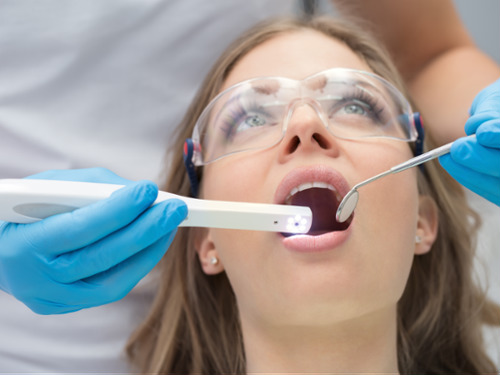
An intraoral camera captures detailed images inside the mouth to support patient education and clinical assessment.

Conservative Treatment for Tooth Decay
Contact Us